Major Consolidation Wave: Kroger Acquires Giant Eagle While CMA CGM Expands With FedEx Supply Chain Deal

Corporate dealmaking is accelerating as companies seek scale to navigate slowing growth, inflation and intensifying competition.
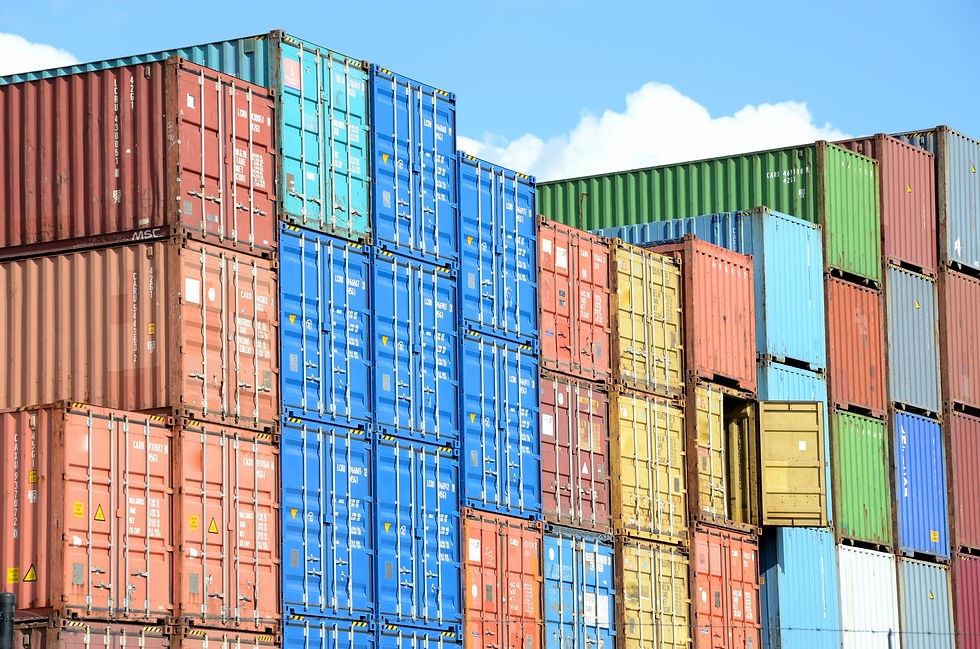
Corporate consolidation gained momentum on July 1 as Kroger and CMA CGM announced acquisitions worth a combined €2.74 billion, reinforcing a broader trend of companies using M&A to strengthen market positions rather than pursue organic expansion.
Kroger agreed to acquire Giant Eagle for €1.48 billion, adding 197 supermarkets, 11 pharmacies and approximately €8.1 billion in annual sales to its portfolio. The transaction marks Kroger's first major acquisition since its proposed Albertsons merger was blocked in 2024 and the first under CEO Greg Foran. Giant Eagle will continue operating under its existing brands, while Kroger expects only limited store divestitures to satisfy regulators.
In logistics, CMA CGM announced a €1.26 billion agreement to acquire FedEx Supply Chain, bringing nearly 10,000 employees, 150 warehouses and a significant North American fulfillment network into CEVA Logistics. The acquisition will almost triple CEVA's regional contract logistics business and supports CMA CGM's broader €18 billion U.S. investment strategy announced last year.

The transactions reflect a common strategic objective despite operating in different industries. Grocery retailers continue facing pricing pressure from Walmart, Amazon and discount chains such as Aldi, while logistics companies are investing to build integrated supply-chain platforms capable of serving increasingly complex global customers.
The combined value of the two acquisitions exceeds €2.7 billion, underscoring how strategic acquisitions are once again becoming a preferred growth strategy after several years of heightened regulatory scrutiny and higher financing costs. Rather than pursuing transformational mergers, companies are increasingly targeting acquisitions that expand regional market share, strengthen logistics capabilities and improve operational efficiency.
For investors, the announcements reinforce a broader shift across corporate America: disciplined, strategically focused acquisitions are replacing the megadeals that dominated previous cycles, with execution and long-term integration likely to matter more than headline transaction values.
Sources:
https://www.cnbc.com/2026/07/01/kroger-to-buy-giant-eagle-in-1point65-billion-deal.html
https://foodtradenews.com/2026/07/01/kroger-will-acquire-giant-eagle-in-1-65-billion-deal/
https://www.supplychaindive.com/news/cma-cgm-to-buy-fedexs-contract-logistics-unit-for-14b/824222/
https://www.washingtonpost.com/business/2026/07/01/shipping-acquisition-fedex-cma-cgm/


